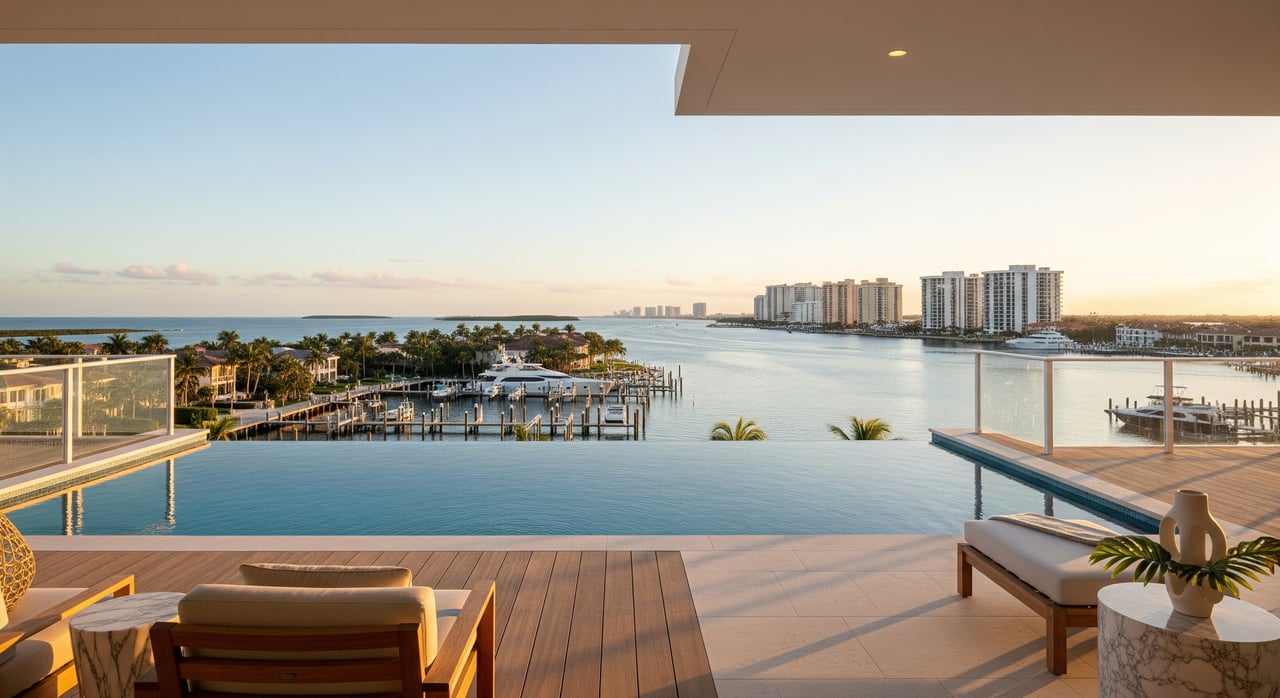
Staring at a high monthly condo fee and wondering where it all goes? You are not alone. Buying in a Park Shore high-rise means enjoying beach or bay views, concierge convenience, and resort amenities, but it also means understanding how fees, reserves, and potential assessments fit into your budget. In this guide, you will learn what fees typically cover, how reserves work, why special assessments happen, and how recent Florida rules affect your due diligence. Let’s dive in.
Park Shore high-rise costs at a glance
High-rise, full-service coastal buildings have higher operating and capital costs than low-rise or inland properties. In Park Shore, major cost drivers include building and wind insurance, elevator and pool systems, common-area HVAC, exterior concrete maintenance, and in some cases marina or seawall upkeep. Underfunded reserves or new inspection requirements can lead to special assessments, so planning ahead is essential.
What condo fees cover
Monthly condo fees fund daily operations and long-term building health. While line items vary by building, you will commonly see:
- Insurance for the building, including wind and hurricane coverage, which is often one of the largest expenses in Florida coastal towers.
- Reserve contributions to pay for major repairs and replacements like elevators, roofs, exterior concrete, and mechanical systems.
- Property maintenance and repairs, including painting, corrosion mitigation, and concrete restoration affected by salt air.
- Utilities paid centrally, such as water, sewer, elevator electricity, and pool systems; some buildings also include cable.
- Management and staffing for on-site engineering, security or concierge, and professional management fees.
- Elevator maintenance and testing, with periodic modernization.
- Amenity upkeep, including pool, spa, fitness center, clubhouse, and landscaping.
- Trash removal, pest control, cleaning, and any taxes on common elements if applicable.
Local coastal realities in Park Shore, such as ocean exposure and private beach or marina elements, tend to increase insurance and exterior maintenance needs.
How reserves work
Reserve accounts are the building’s savings plan for predictable, big-ticket items. They are not for routine expenses. A reserve study lists the major components, estimates useful life, projects replacement costs, and recommends an annual funding plan.
You will typically see two approaches to funding: a component method that itemizes each asset, or a cash-flow method that smooths contributions over time. Ask for the current reserve balance, the recommended annual contribution, and the line-item timeline for the next 5 to 30 years. Strong indicators include a transparent funding plan, consistent contributions, and clear documentation of upcoming projects.
Florida rules to know
Florida’s Condominium Act (Chapter 718) sets requirements for budgets, reserves, and disclosures to owners and prospective buyers. Following the Surfside tragedy, state and local policies increased focus on building safety, inspections, and transparency. Many older or taller buildings have commissioned structural reviews and recalibrated reserves.
Before you buy, confirm the latest guidance from the Florida Department of Business and Professional Regulation (DBPR) and whether the building faces any local inspection or recertification timelines. In Collier County, permitting and local code enforcement can also drive capital projects and timing. Always review the building’s official disclosures and financials as part of your offer planning.
Special assessments explained
Special assessments arise when reserves or budgets do not cover a major cost. Common triggers in Park Shore high-rises include structural repairs, exterior concrete restoration, elevator modernization, garage waterproofing, and seawall or dock work. Insurance deductibles after storms or uninsured losses can also lead to assessments.
Approval mechanics depend on the condominium documents and Florida law. Some boards may approve smaller assessments while larger ones require an owner vote. Associations sometimes borrow to spread costs, but the loan payments are then added to the budget, which can elevate monthly fees.
Spot red flags early
Look for early signs of risk so you can price and plan with confidence:
- Recent or ongoing special assessments and their payment schedules.
- Board minutes showing surprise capital needs or noncompliance with inspection orders.
- Reserve studies with near-term projects and no clear funding plan.
- Pending litigation or major insurance claims.
- Notice of local inspection or recertification requirements that could lead to work.
Pre-tour document checklist
Request documents before you tour to save time and avoid surprises. Aim to review:
- Current year operating budget and last year’s actuals.
- Full reserve study and most recent reserve account balance.
- Association financial statements and, if available, reserve bank statements.
- Board meeting minutes for the past 12 to 24 months.
- Insurance declarations, including wind/hurricane limits and deductibles.
- List of recent and pending special assessments with purpose and terms.
- Litigation summary and any engineering or structural inspection reports.
- Association bylaws and declaration for voting rules and assessment authority.
- Twelve-month ledger for the unit you want to buy.
- A 5 to 10-year capital improvement and reserve funding plan.
Estimate your monthly cost
Start with the posted fee, or calculate from a per-square-foot figure if needed. Then layer in variables the association does not cover, such as in-unit utilities or cable if not included, and any flood insurance you may carry.
Use simple planning ranges for Park Shore high-rises and verify with documents:
- Scenario A: Moderate full-service tower. About $0.50 to $1.00 per square foot per month. A 1,500-square-foot unit equals about $750 to $1,500 per month.
- Scenario B: Full oceanfront with extensive staffing and insurance. About $1.00 to $2.00+ per square foot per month. A 1,500-square-foot unit equals about $1,500 to $3,000+ per month.
These ranges are illustrative. Actual fees vary by age, amenities, insurance costs, and reserve status. Always validate with current budgets and reserve studies.
Insurance questions to ask
Insurance can change fast in Florida and often drives fee increases. Ask:
- What are the master policy limits and hurricane deductibles, and how are they applied?
- Are windows, balconies, or interior water damage an owner responsibility?
- Have premiums or deductibles increased recently, and were those costs passed to owners?
- Has the association made or received any significant insurance claims in the past five years?
Local Park Shore factors
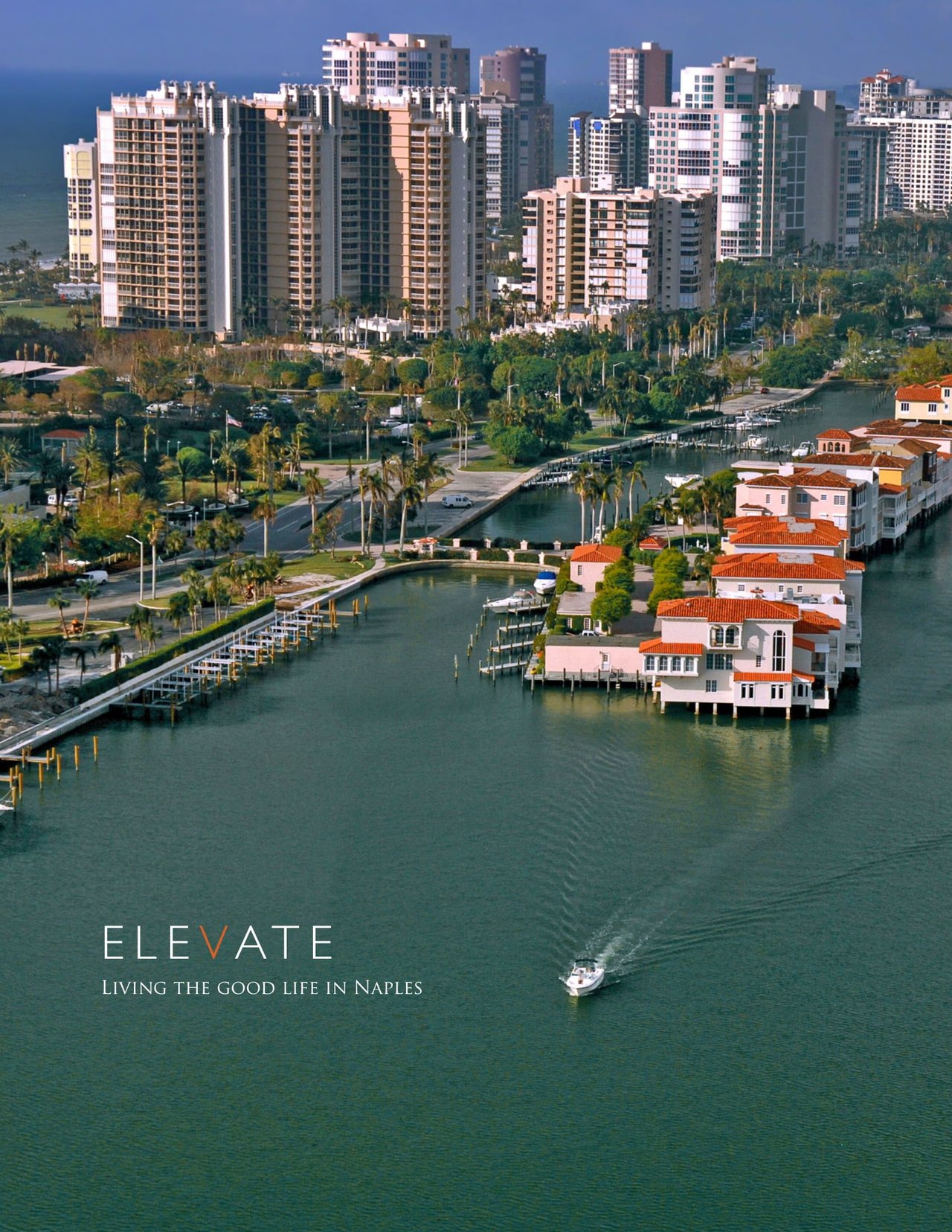
Park Shore towers sit in coastal flood zones, which influence insurance planning and infrastructure decisions. Some communities include marina or seawall elements with added maintenance responsibilities. Collier County permitting and any local inspection schedules can affect the timing and cost of capital projects.
Understanding these local drivers helps you compare buildings on more than views and amenities. It also gives you leverage when negotiating and structuring your offer.
Work with a trusted advisor
Buying into a high-rise is about lifestyle and numbers. You want the beach, boating, and walkable living, and you also want a building with a funding plan you can trust. With 40-plus years in Naples and a concierge, full-service approach, our team helps you request and interpret budgets, reserve studies, and insurance details so you can make a confident decision.
If you plan to use the property seasonally or as an investment, our integrated leasing and property management services can simplify ownership and protect value. Ready to review Park Shore options and run the numbers together? Connect with Jo Ellen Nash to schedule a private consultation.
FAQs
What do Park Shore condo fees usually include?
- Most fees cover building insurance, reserves, maintenance and repairs, common utilities, management and staffing, elevator service, amenities, and routine services like trash and pest control.
How do Florida condo special assessments work?
- Associations levy them when reserves or budgets do not cover a major cost; approval and allocation follow the governing documents and Florida law, with owners typically paying pro rata.
What is a reserve study and why does it matter?
- It is a roadmap for big-ticket replacements that estimates useful life and costs, and recommends annual funding so owners can avoid unexpected assessments.
How can I estimate true monthly cost for a Park Shore high-rise?
- Start with the posted fee, add any owner-paid utilities or services, and model a stress scenario for upcoming projects using the reserve study and recent board minutes.
Are Park Shore buildings affected by new Florida inspection rules?
- Many older or taller buildings have increased inspection and transparency requirements since Surfside; confirm current DBPR and local obligations and review any recent engineering reports.
Who pays hurricane deductibles and repairs after a storm?
- The association’s master policy applies to covered common elements, but deductibles and certain components may fall to owners depending on governing documents and policy terms; always review the declarations and insurance summary.