
Thinking about a home in Naples and wondering if a gated community or an open, non-gated neighborhood is the better fit? You are not alone. Many out-of-area buyers weigh privacy, amenities, rules, and long-term costs before deciding. In this guide, you will learn how each option works in Naples’ Urban Estates area and what to verify so you can move forward with confidence. Let’s dive in.
Gated living at a glance
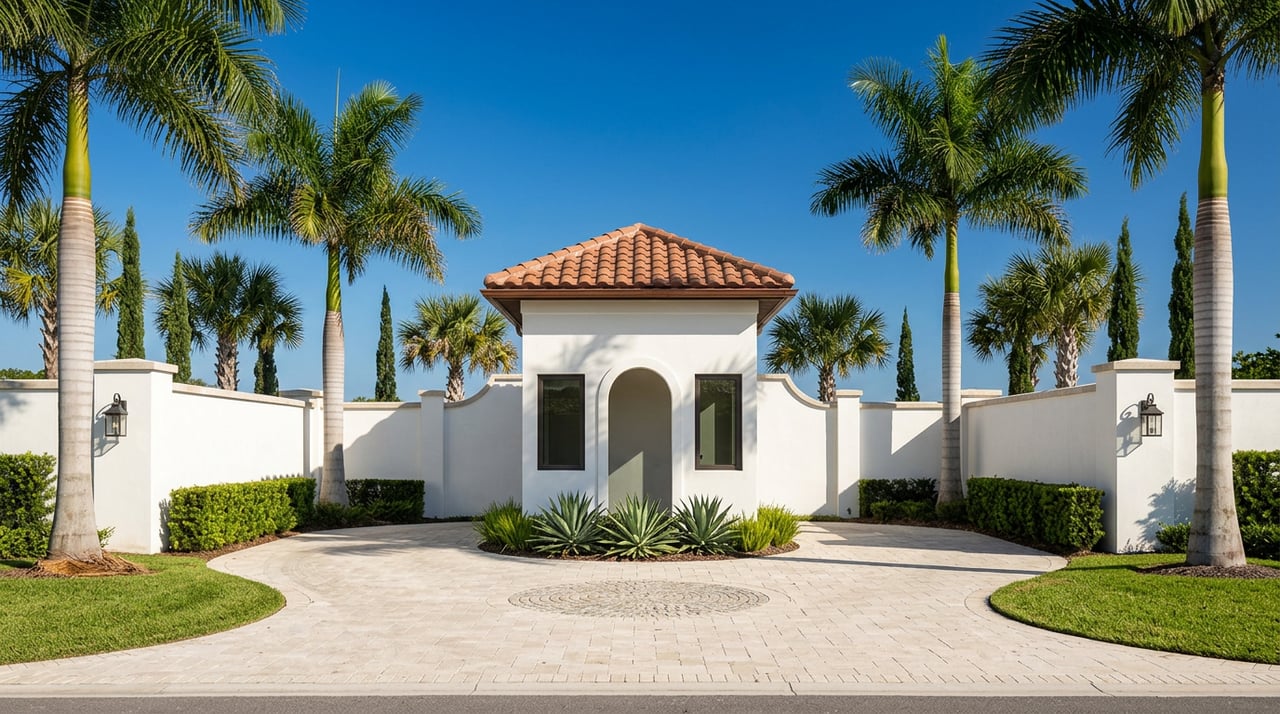
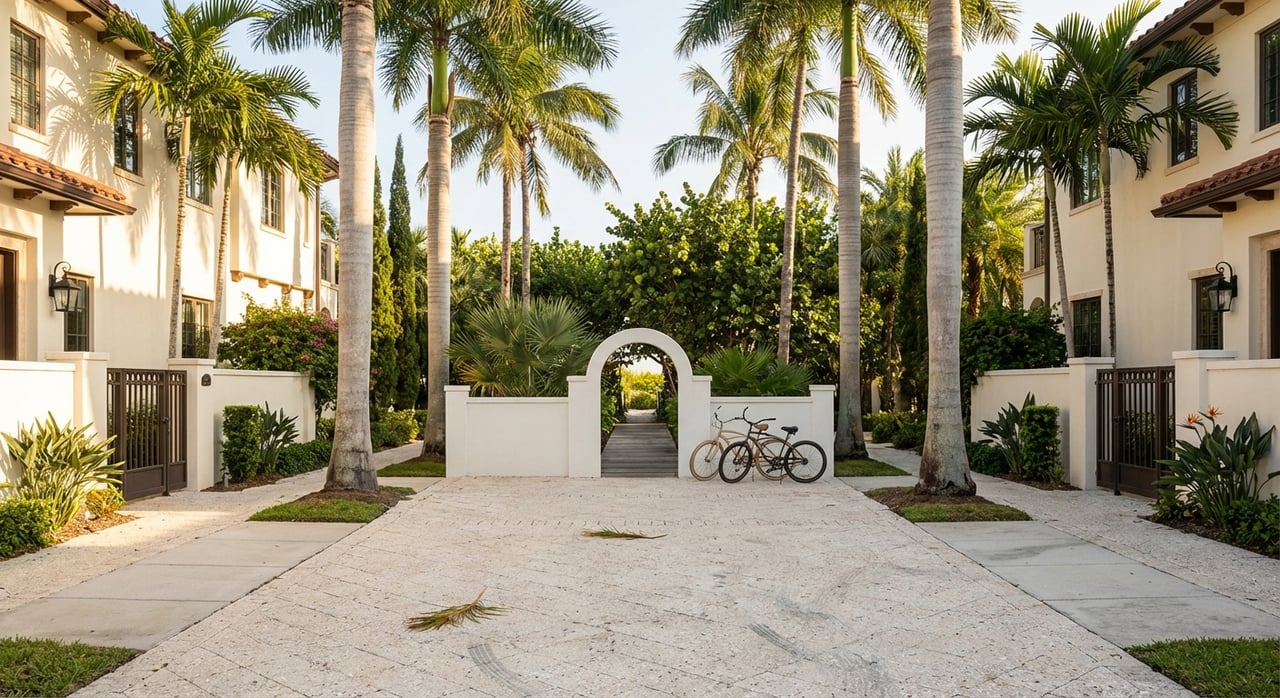
Gated communities in Naples focus on privacy, consistent curb appeal, and a resort-style experience. You will often see a guarded or controlled entry, community standards for landscaping and exteriors, and a strong amenity mix like pools, fitness, tennis or pickleball, and social programming. Many buyers appreciate the low-maintenance setup, especially if they plan to be part-time residents.
Modern gated neighborhoods similar to Stonecreek often include a clubhouse, fitness facilities, an architectural review board, and professional property management. This setup can make remote ownership simpler since on-site or contracted staff helps coordinate vendors, enforce rules, and manage day-to-day operations. If you value a curated environment and built-in recreation, gated living can be a strong match.
Non-gated living in Urban Estates
Non-gated neighborhoods generally offer more flexibility and an open, accessible feel. You may see a wider variety of home styles and landscaping choices, and rules can be lighter or even minimal if there is a limited or voluntary association. For some buyers, that freedom to customize the exterior or manage their property their own way is a top priority.
These areas may not have centralized amenities like a staffed clubhouse or programmed events. If you prefer privacy without formal access control, or if you want to focus your budget on the home and lot rather than shared facilities, a non-gated neighborhood can be an excellent fit.
Amenities and services
Gated communities typically package amenities together, which can raise HOA dues but deliver convenience and social life. Non-gated areas may require you to source your own gym memberships or recreational options.
What to verify before you buy:
- Obtain a full amenities list, operating hours, guest policies, and any add-on fees.
- Confirm what the HOA covers vs what you handle directly, including landscaping, irrigation, and pool care.
- If a club is involved, ask about one-time initiation fees and transfer policies.
- If you plan to rent seasonally, confirm rental rules and how resident and guest access are handled at the gate.
Security reality check
A gate controls access and reduces through-traffic, which can increase privacy and peace of mind. It does not guarantee crime prevention. Results vary across communities, and incidents can still occur inside any neighborhood. Response times depend on law enforcement and proximity to resources, not just a gate.
Smart questions to ask:
- How is the gate staffed and monitored, and are access logs kept?
- What are the emergency access protocols for first responders?
- Are there county-required systems for emergency override at the gate?
- Can the HOA provide recent incident summaries or guidance on how to request them from local agencies?
Costs to budget in Naples
Costs vary widely in Collier County, and the community type you choose will influence your monthly and annual expenses.
Key items to review:
- Purchase price. Gated communities with premium amenities and locations can show higher median sale prices than nearby non-gated options, depending on home size, lot, and views.
- Recurring HOA dues. Amenity-rich gated communities typically charge higher dues. Always compare what is included.
- CDD assessments. Some Florida developments use Community Development Districts to fund infrastructure. These assessments are separate from HOA dues.
- Insurance. Budget for wind, flood, and homeowners insurance common in South Florida, and review hurricane deductibles.
- Special assessments. Larger amenities like pools, clubs, or golf facilities can require capital repairs after storms, which may lead to assessments.
Financial due diligence:
- Request the HOA budget, reserve study, recent financials, and 12 months of meeting minutes.
- Ask about any history of special assessments and planned capital projects.
- Confirm initiation, transfer, or club membership fees and whether they are transferable at resale.
HOA culture and rules
Gated communities usually have more consistent rule enforcement and architectural review to preserve appearance, which some buyers value. Non-gated areas with limited or no HOA often offer more flexibility, though neighborhood upkeep may vary.
Documents to obtain for every community on your list:
- CC&Rs, bylaws, rules and regulations, and architectural guidelines.
- Board and meeting structure, including how elections are conducted and how often meetings occur.
- Rental, pet, guest, and parking policies, especially if you plan to lease seasonally.
- Violation and enforcement history to gauge consistency.
If you are a part-time owner or investor, a community with professional management can simplify compliance, access control, and vendor coordination. For a turnkey approach, you can also leverage full-service property management and seasonal leasing to protect the asset and streamline ownership.
Resale and marketability
Resale is driven by more than a gate. Location, amenities, lot size, and the quality of community governance are major factors. Gated communities can command a premium for privacy and uniform streetscape, especially with high-end amenities, but strict rules or high dues can narrow the buyer pool.
How to assess resale strength:
Compare recent sales inside the same community and in nearby non-gated areas to isolate any “gate premium.”
Track days on market for both community types in the same submarket.
Consider liquidity. High dues or restrictive rules can lengthen time to sale if buyers prefer flexibility.
Shortlist your fit: a simple plan
Use this step-by-step framework to narrow your options to 3 to 5 communities.
Step 1: Define non-negotiables
- Max monthly budget for HOA plus any CDD.
- Must-have amenities, such as pool or fitness.
- Rental policy requirements and minimum lot size.
- Age-restricted vs all-ages preference.
Step 2: Quick filtering
- Use MLS and local market reports to filter by price, HOA fee range, amenities, and location.
- Ask for a concise “community pack” with current fees, rules, and at least one recent closed comp.
Step 3: Document checklist
For each community, collect:
- CC&Rs, bylaws, rules and regulations, and architectural guidelines.
- Latest budget, reserve study, and 12 months of meeting minutes.
- Owner-paid fees, including HOA, any CDD, and club-related charges.
- Rental, pet, guest, and parking policies.
- The most recent 6 to 12 months of closed sales and days on market.
- Insurance coverage levels and hurricane response plans for the association.
Step 4: On-the-ground checks
- Drive through at different times to assess traffic and general feel.
- Call the HOA or management with targeted questions on fees, reserves, rentals, and security.
- Get quotes for homeowners, wind, and flood insurance for specific addresses.
- Discuss buyer demand and resale history with a local expert.
Step 5: Comparative scoring
Create a one-page scorecard for each community with these categories: total cost, amenities fit, security setup, resale outlook, HOA culture, distance to your priorities, and rental friendliness. Rank each and total your scores to build a focused shortlist.
What to ask the HOA and listing agent
Use this focused question set to speed up due diligence:
- What is the current HOA fee and what does it include?
- Are special assessments planned or outstanding?
- Does a CDD exist and what is the current annual amount?
- Are rentals allowed, and what are the minimum lease terms and frequency limits?
- How are architectural changes approved and how long is the process?
- How is security managed, including gate staffing and access logs?
- Can you provide the two most recent budgets, reserve studies, and 12 months of meeting minutes?
Practical timeline for out-of-area buyers
- Week 0 to 2: Remote research and agent pre-screening, virtual tours, and document requests.
- Week 3: Shortlist 3 to 5 communities and request full HOA packets.
- Week 4: In-market visit for drive-through, community tours, and HOA or management conversations.
- Week 5 to 6: Under contract due diligence, including inspections, insurance quotes, and title or CDD checks.
Final thoughts
In Naples’ Urban Estates, both gated and non-gated living can deliver a wonderful lifestyle. The best choice depends on how you balance privacy, flexibility, amenities, fees, and long-term resale. Start with a clear list of non-negotiables, then confirm the documents and numbers so you can buy with confidence.
If you would like a curated shortlist, a guided review of HOA packets, and a plan for ownership or seasonal leasing, connect with Jo Ellen Nash. Schedule a private consultation and let us align your lifestyle and investment goals with the right Naples community.
FAQs
What is the main difference between gated and non-gated communities in Naples?
- Gated neighborhoods emphasize privacy, access control, and curated amenities, while non-gated areas offer more open access and often greater flexibility with fewer centralized amenities.
How do HOA and CDD fees affect my budget in Collier County?
- HOA dues cover shared services and amenities, while some developments also levy separate CDD assessments for infrastructure; you should evaluate both along with insurance and potential special assessments.
Do gates reduce crime in a neighborhood?
- Gates limit through-traffic and can improve privacy, but they do not guarantee crime prevention; verify security protocols and consult official incident data for a realistic picture.
What should I review before making an offer in a Naples community?
- Request the CC&Rs, bylaws, rules, budgets, reserve study, recent minutes, all fee schedules, rental and pet policies, and recent closed sales to understand costs and constraints.
How do rentals work in gated vs non-gated communities?
- Policies vary by association, so confirm whether rentals are allowed, minimum lease terms, frequency limits, guest procedures, and any access steps for tenants and visitors.
How does flood risk and insurance impact buying near the coast?
- Check FEMA flood zones and obtain quotes for wind, flood, and homeowners insurance for specific addresses, then factor premiums and deductibles into your total cost of ownership.